

Total Items
0
0 Item(s)

Plantar fasciitis is a common cause of heel pain, characterized by irritation and degenerative changes in the plantar fascia, a thick band of connective tissue spanning the underside of the foot. Clinical presentation often includes first-step pain in the morning, pain after prolonged rest, and symptoms that fluctuate with standing and loading demands.
In rehabilitation settings, plantar fasciitis management is typically conservative, emphasizing load management, stretching and strengthening programs, footwear and orthotic considerations, and manual techniques. Chattanooga® offers advanced rehabilitation technologies that may be incorporated as adjuncts to support conservative care workflows for plantar fasciitis patients.
Patients with plantar fasciitis generally present with the following symptoms:
Heel pain associated with plantar fasciitis is typically localized near the medial calcaneal region. Patients often describe it as a sharp, stabbing, or bruised in nature, particularly when weight-bearing.
A hallmark symptom of plantar fasciitis is pronounced discomfort with first steps after sleep or prolonged sitting. This "start-up pain" occurs because the plantar fascia shortens in a non-weight bearing position and is suddenly loaded when standing.
Restricted mobility in the calf complex and posterior chain can contribute to increased strain on the plantar fascia. Tight calves and stiffness along the back of the leg can add extra strain to the bottom of the foot.
Individuals with plantar fasciitis commonly demonstrate reduced tolerance to mechanical load. Prolonged standing, increased walking volume, running, or impact activities can exacerbate symptoms.
Plantar fasciitis is not managed with a single intervention. Modalities, when selected, are integrated to support participation in active rehabilitation and conservative care plans.

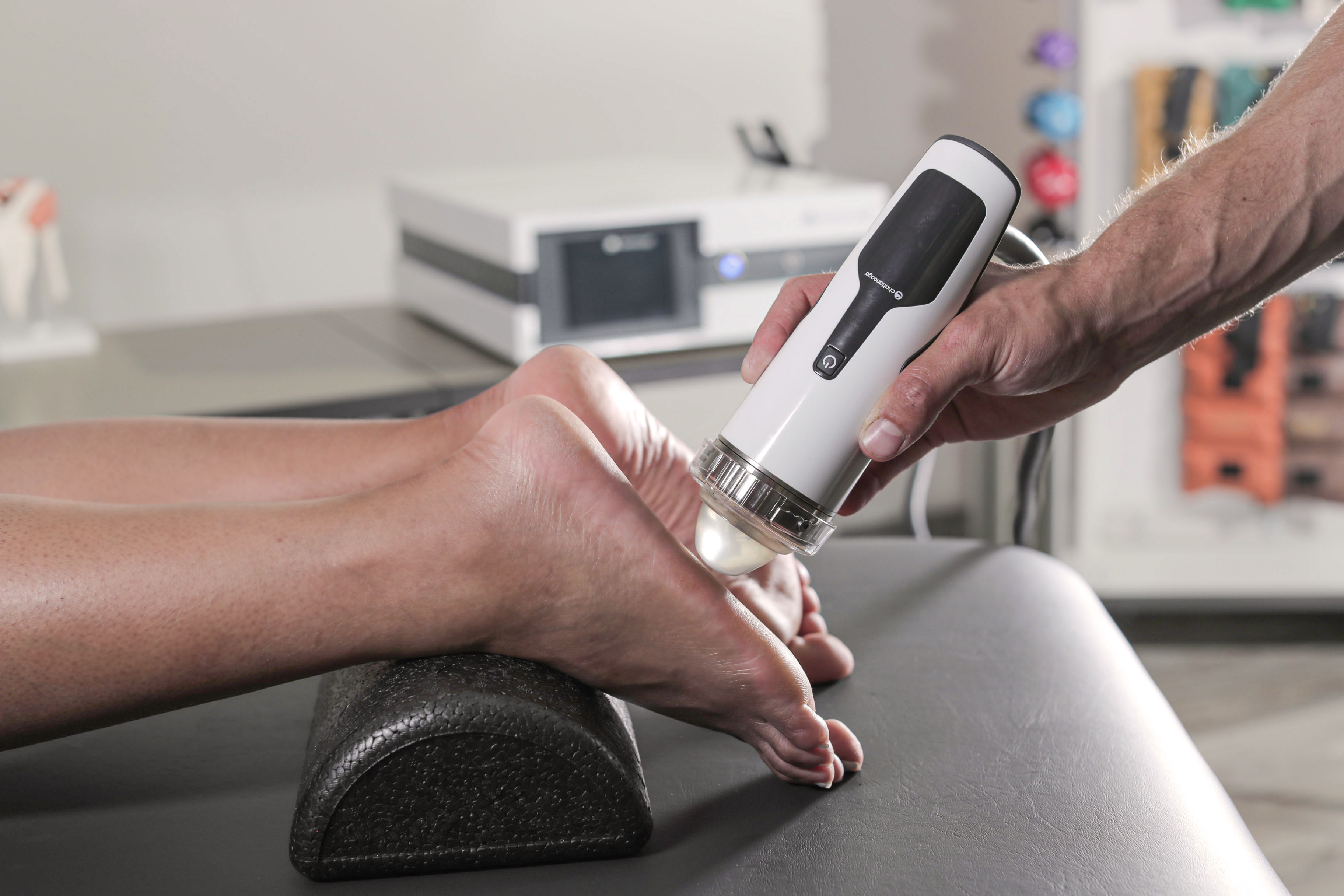
Intelect® Focus Shockwave is indicated for extracorporeal shock wave treatment of heel pain due to chronic proximal plantar fasciitis for patients of age greater than 18 years with a history of failed alternative conservative therapies for at least six months.
How it fits clinically
Focused shockwave therapy may be considered when symptoms persist after an extended period of unsuccessful conservative care and when the patient meets the labeled criteria for the device. Treatment localization and dosing should be determined by the supervising clinician and guided by device labeling and patient presentation.
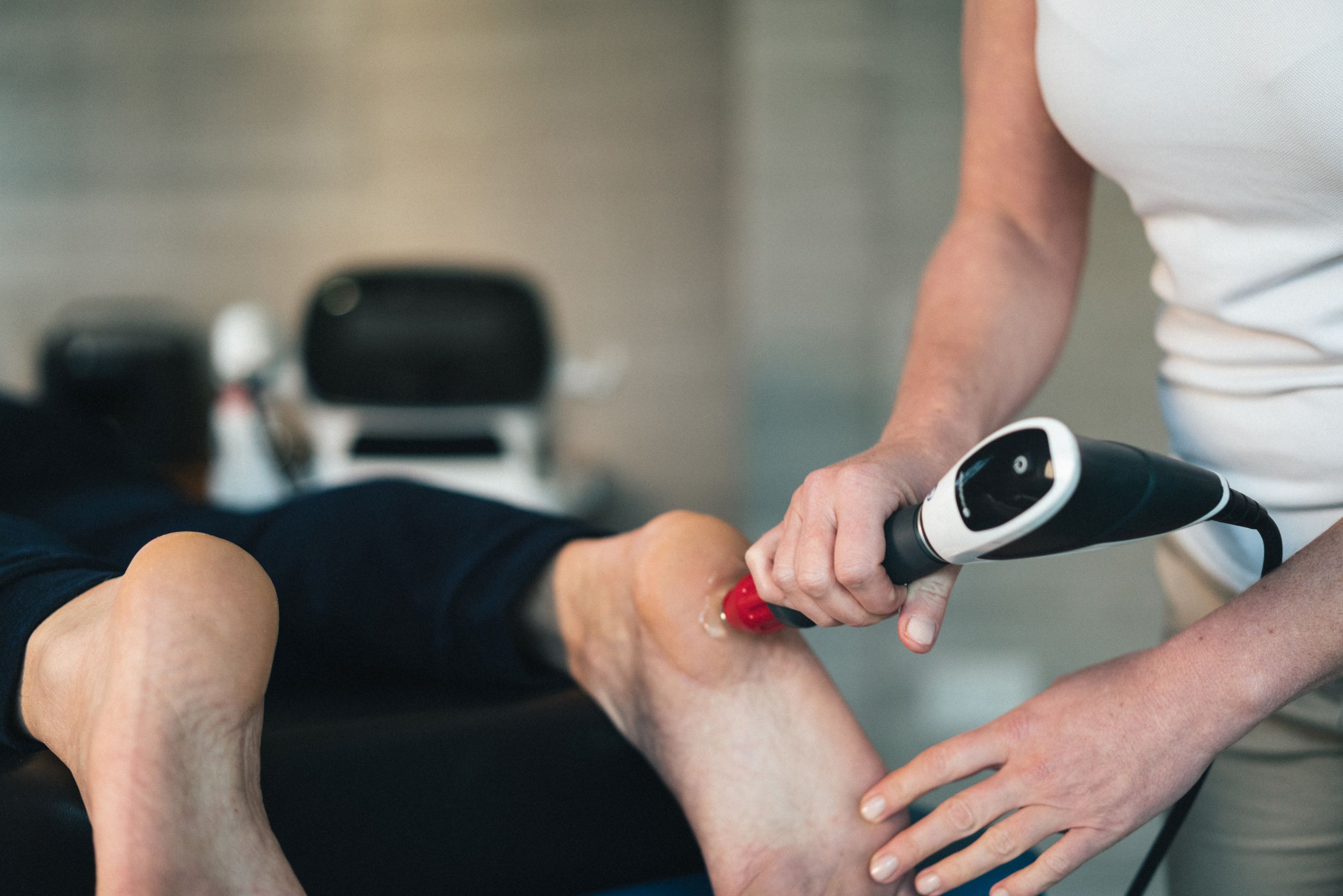
Radial pressure wave devices, such as the Intelect® RPW 2 and the Intelect® Mobile 2 RPW, are intended to help reduce muscle pain and aches, temporarily increase blood flow, and activate connective tissue.
How it fits clinically
In plantar fasciitis treatment programs, clinicians may use radial pressure wave therapy to address pain points in the plantar fascia and myofascial trigger points in the foot and calf.
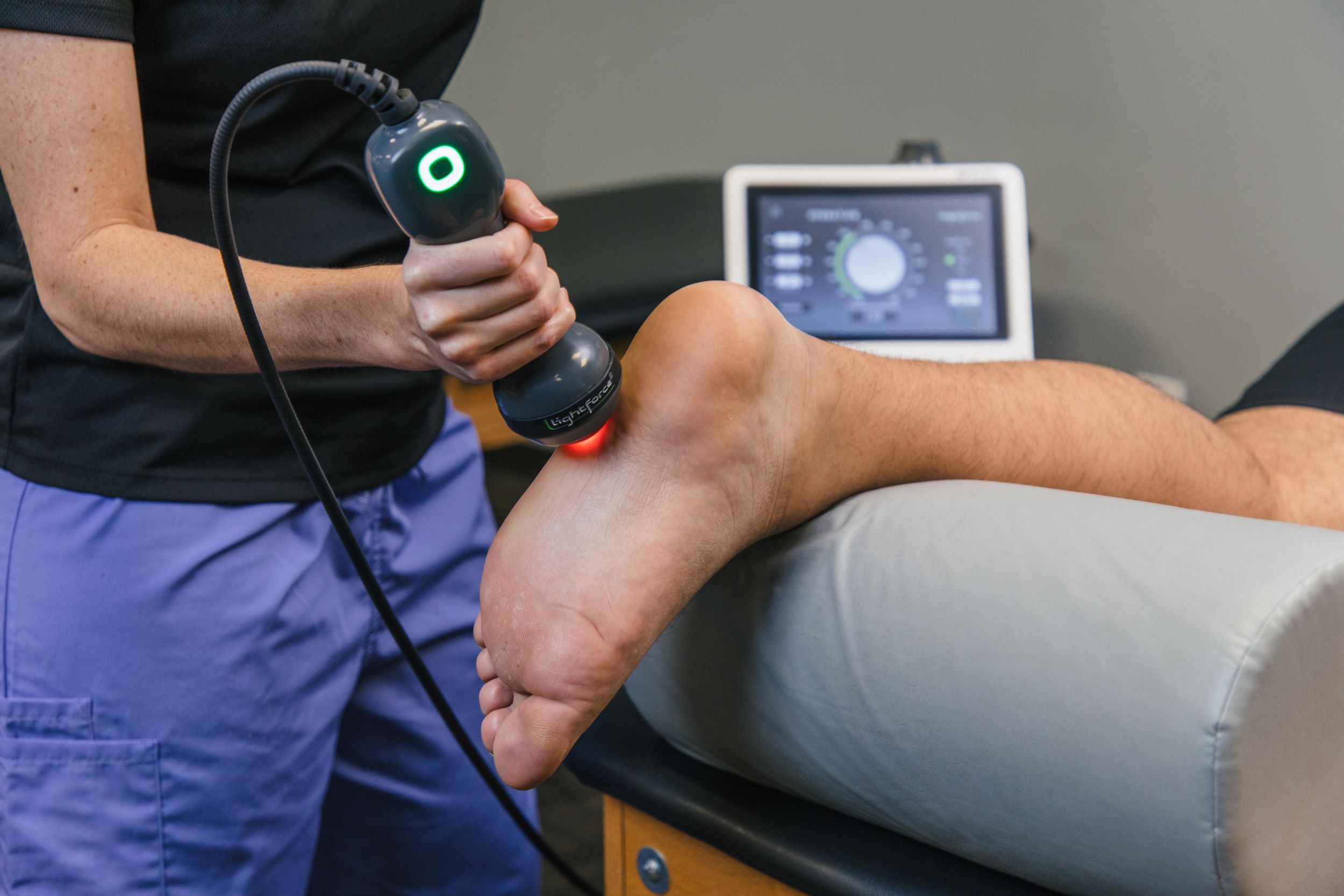
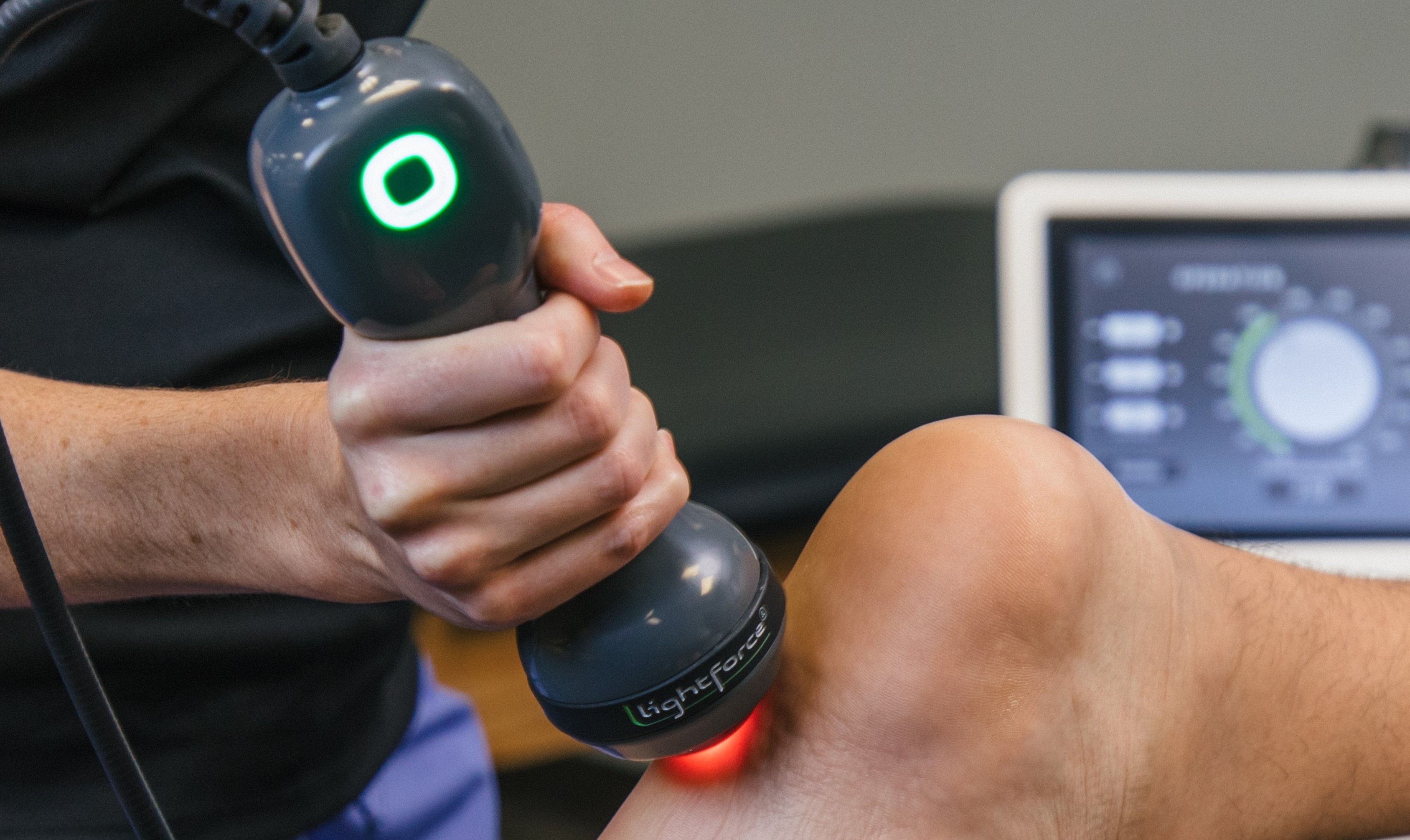
LightForce® therapy lasers are indicated to provide topical heating to elevate tissue temperature for the temporary relief of minor muscle and joint pain and stiffness, minor arthritis pain, or muscle spasm; to temporarily increase local blood circulation; and to temporarily relax muscle.
How it fits clinically
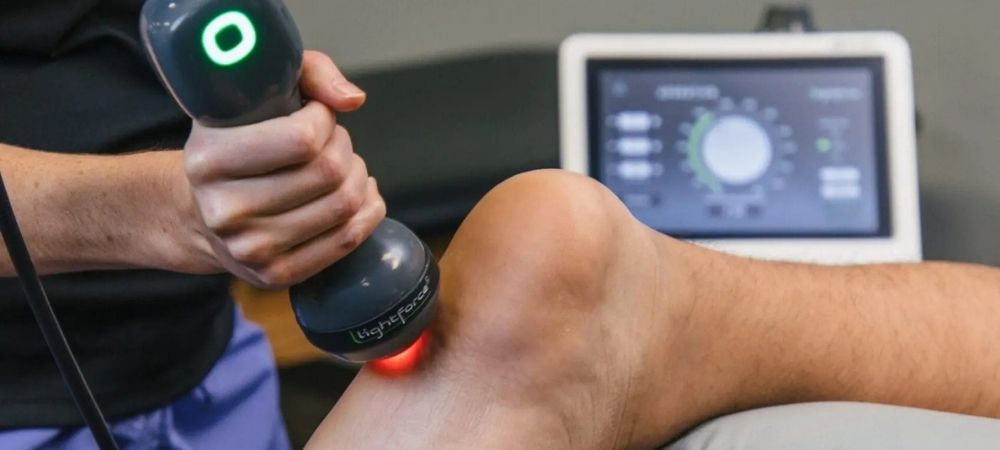
Laser therapy is commonly incorporated to support symptom management within conservative plans of care. A recent retrospective study on the efficacy of LightForce therapy lasers demonstrated that high-intensity laser therapy successfully reduced pain by at least 30% for patients suffering from plantar fasciitis.¹ Clinicians may integrate laser therapy alongside stretching, manual techniques, radial pressure wave therapy, focus shockwave therapy, and exercise progression.

![[eBook] Step Up Your Foot Care: Plantar Fasciitis Quick Reference Guide](/web/sites/default/files/2026-03/Rotator%20Cuff%20Guide%20Social%20Graphic-03%20%281%29.png "[eBook] Step Up Your Foot Care: Plantar Fasciitis Quick Reference Guide")
![[White Paper] The Treatment of Tendinopathies in 2024 & Beyond](/web/sites/default/files/2026-03/White%20Paper_Tendinopathy%20from%20a%20KOL%20Perspective%20Email%20Asset-1.png "[White Paper] The Treatment of Tendinopathies in 2024 & Beyond")