

Total Items
0
0 Item(s)
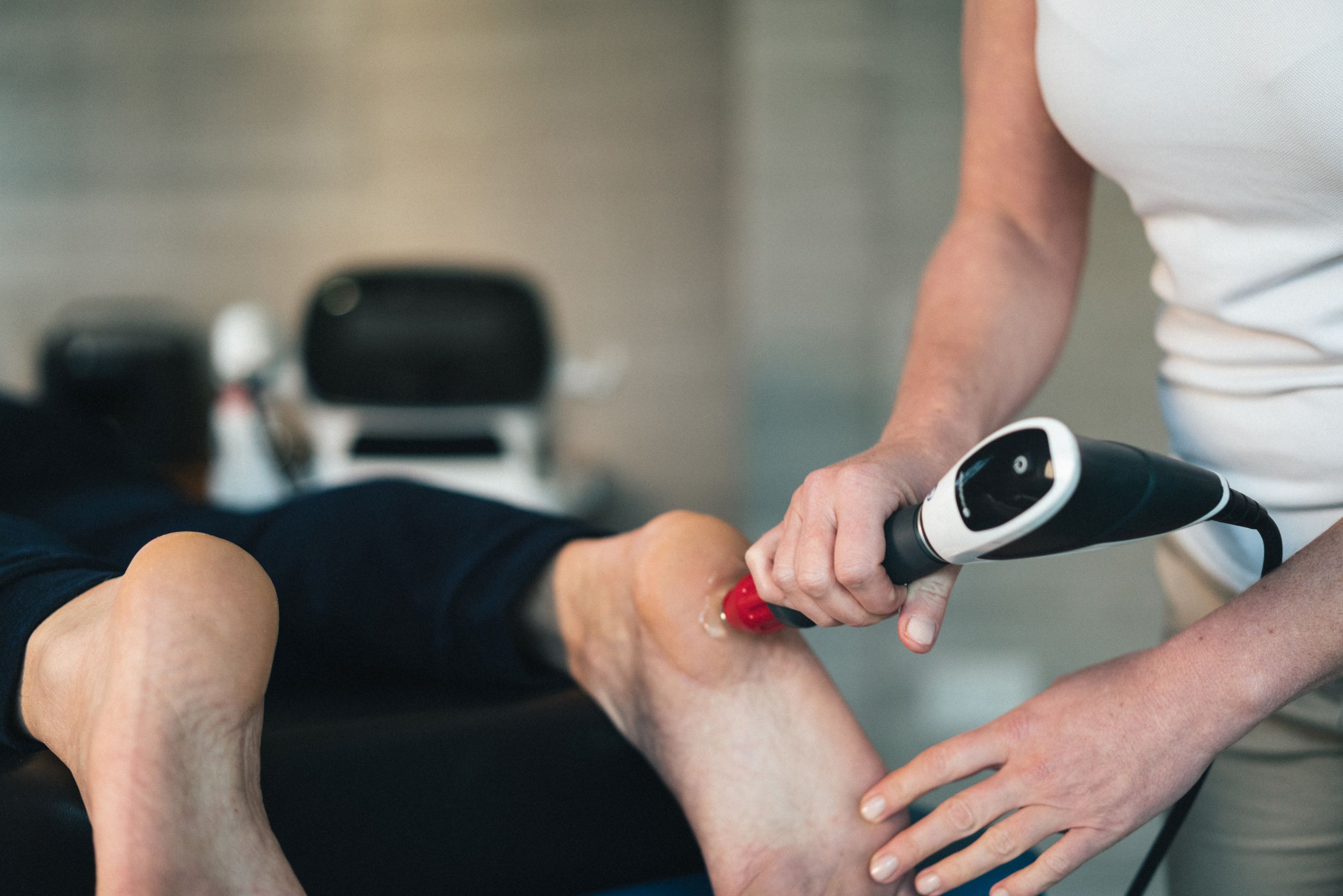
Shockwave therapy is a non-invasive treatment that delivers acoustic waves into the tissue causing biochemical changes that can positively impact pain and tissue repair.1 Chattanooga’s shockwave therapy portfolio includes a focused extracorporeal shockwave system and radial pressure wave (RPW) devices, allowing clinicians to select the appropriate technology based on clinical goals and patient presentation.
As the name suggests, focused shockwave systems focus the acoustic waves through a lens which allows for targeted applications and for deeper tissue to be reached, up to 12.5 cm. Radial pressure wave systems work by transmitting acoustic waves at the skin surface which then travel radially into adjacent tissue. Radial pressure wave devices can treat larger areas and reach depths up to 6 cm depending on the device settings. Both types of devices are used by many clinicians within conservative rehabilitation programs.
Chattanooga offers a complete portfolio of shockwave therapy devices, including:
Each system is designed for specific clinical applications and practice environments.


Shockwave therapy can address pain and tissue dysfunction associated with many common conditions, including but not limited to:
Myofascial Trigger Points2-7



Shockwave therapy provides a non-invasive alternative for clinicians and patients seeking ways to decrease pain and improve mobility without the side effects associated with surgical and pharmaceutical interventions. Benefits associated with shockwave therapy include:

Research suggests that shockwave therapy can reduce pain through a variety of mechanisms that surround the gate-control theory of pain transmission. These include: hyperstimulation of nociceptors, altered pain receptor neurotransmission, and by increasing local pain-inhibiting substances.⁸
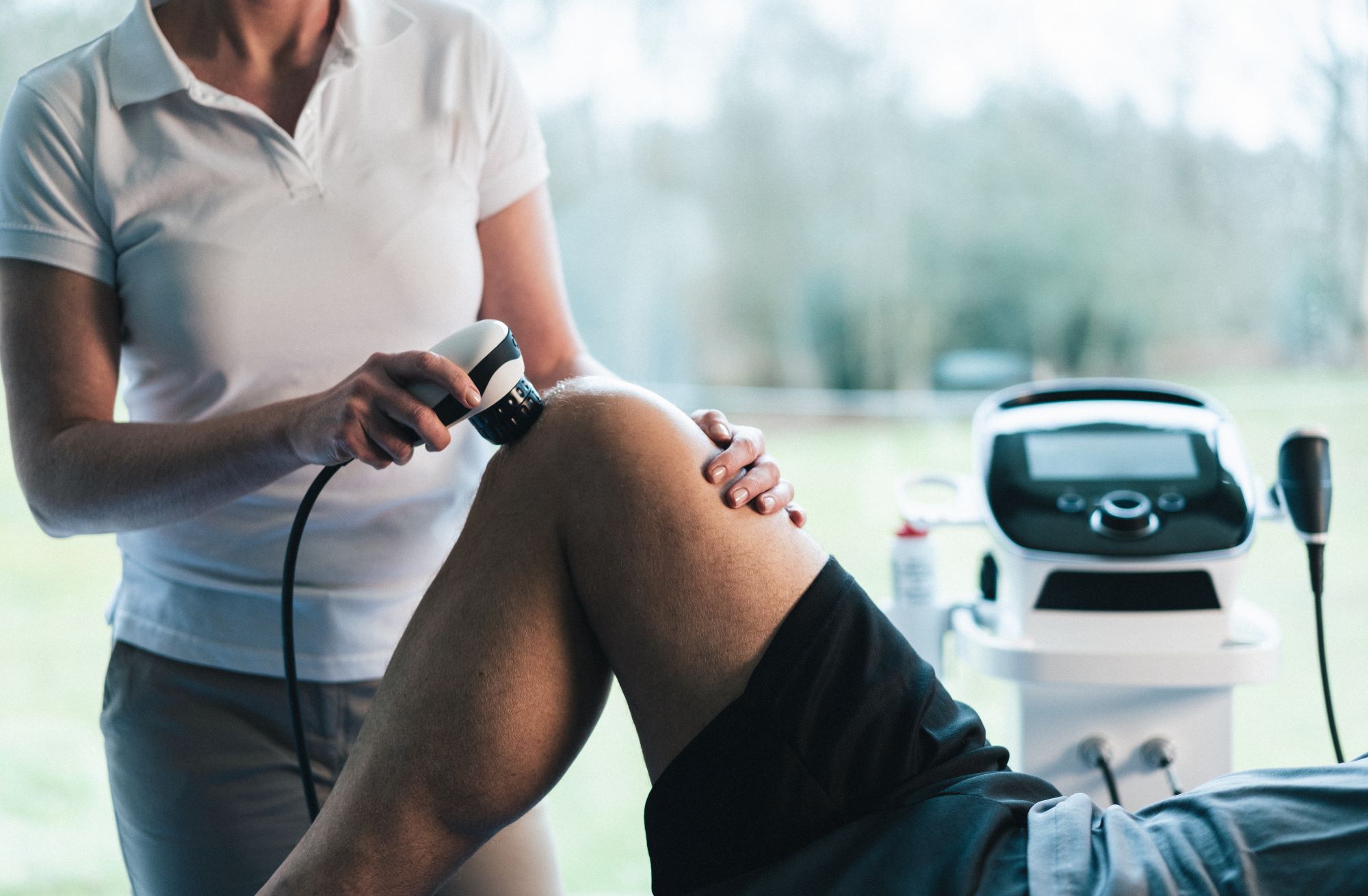
Shockwave therapy transmits acoustic waves into the body initiating the process of mechanotransduction. This is where cells respond to the energy from the waves resulting in biochemical changes that can promote tissue repair.¹
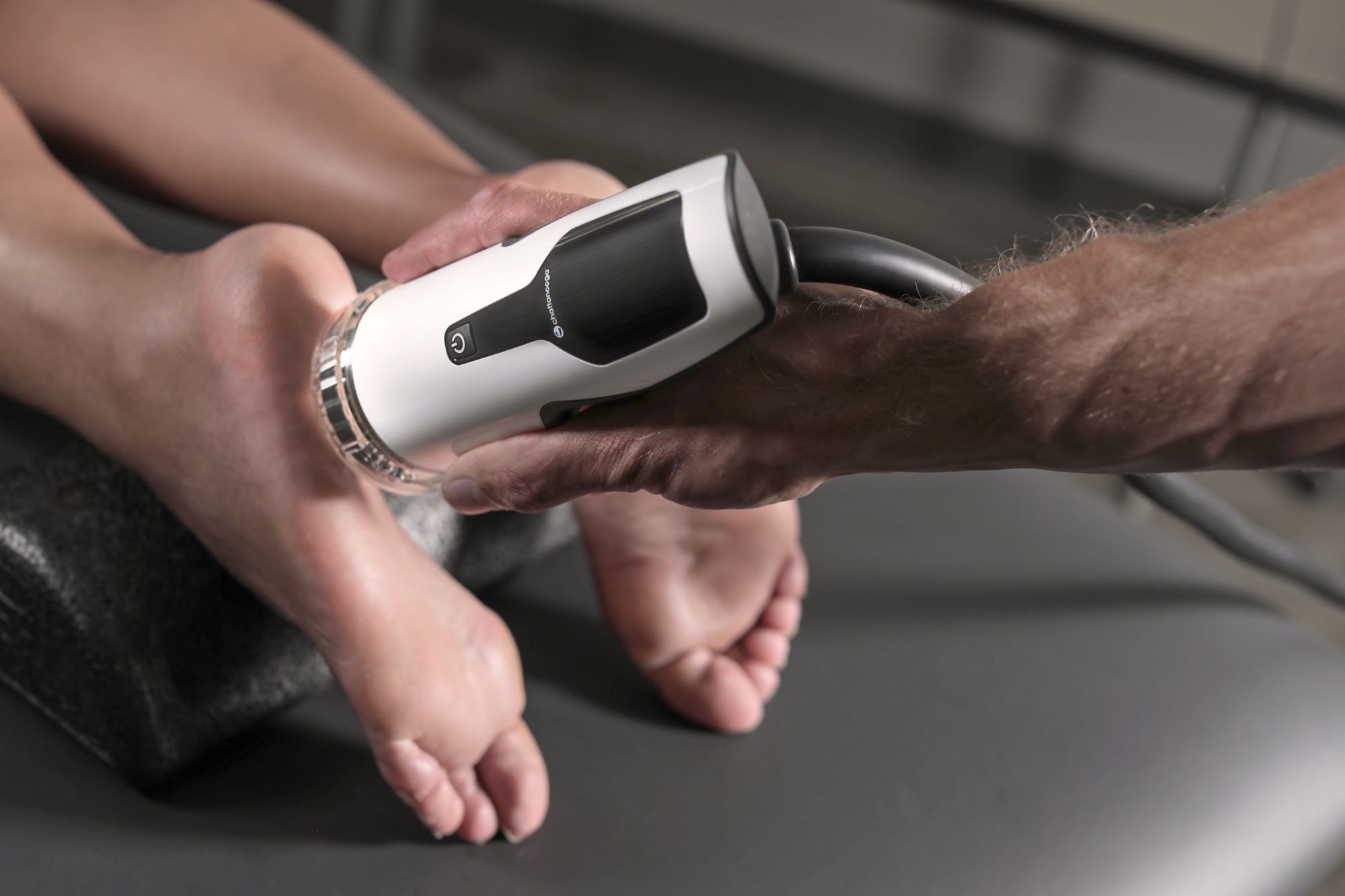
Depending on the area being treated, shockwave therapy treatment sessions can be completed in 10 minutes or less, and patients may experience results after just 3 treatments.⁹
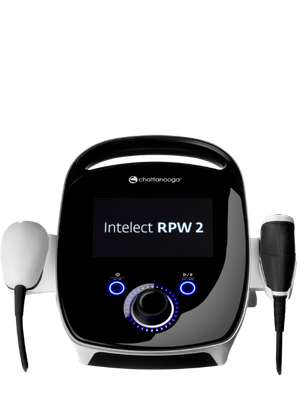
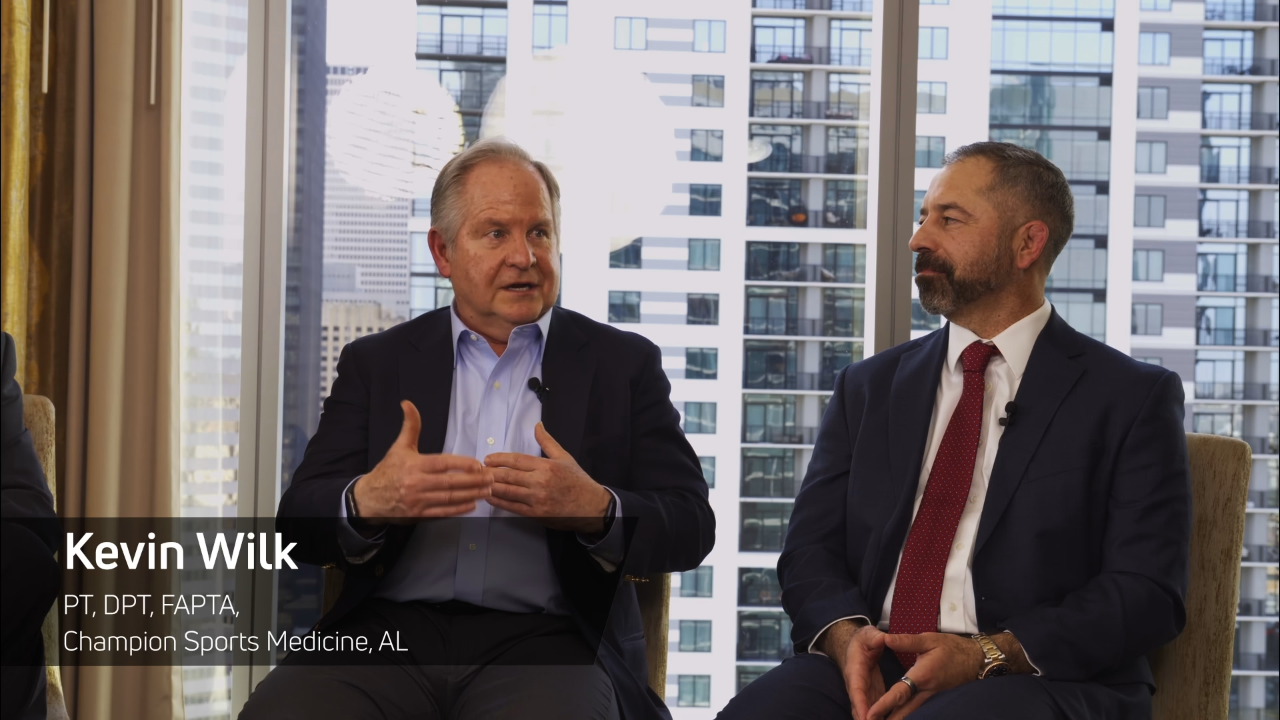
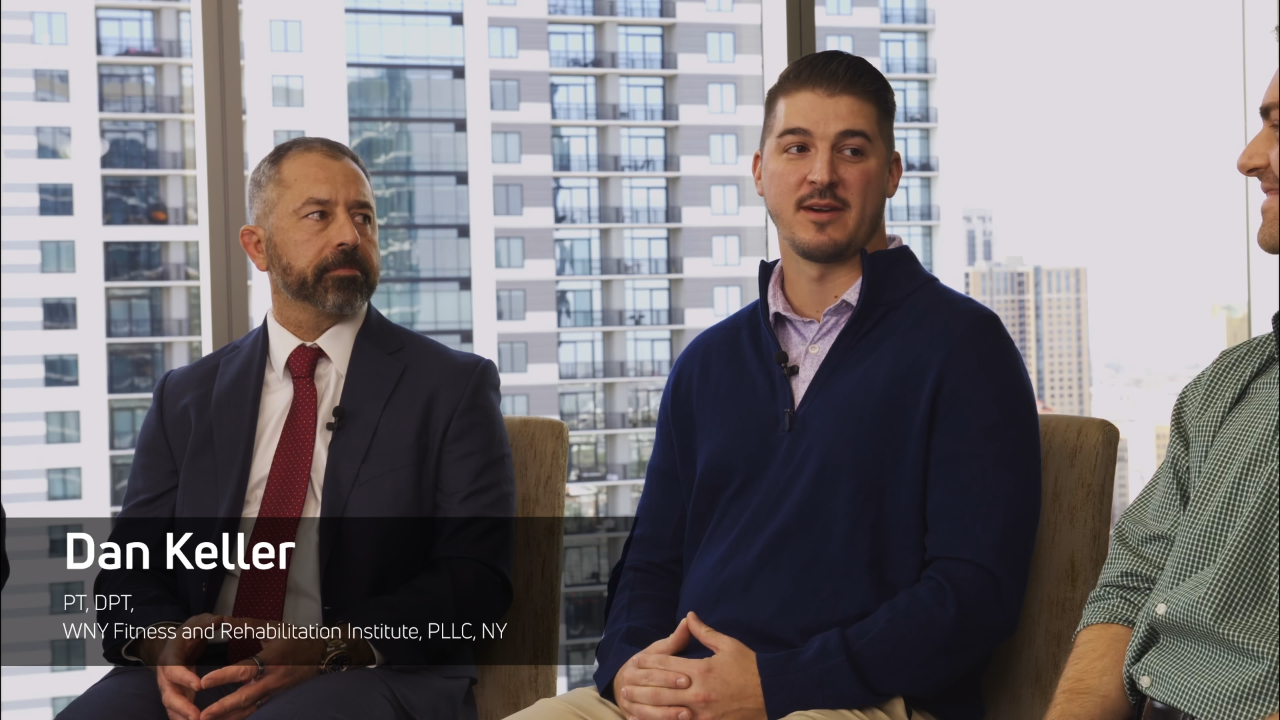
See how Chattanooga shockwave therapy systems integrate into clinical practice.

Chattanooga shockwave therapy devices are utilized across multiple disciplines to complement conservative musculoskeletal care.
The Intelect® Focus Shockwave is a focused extracorporeal shockwave therapy system designed to deliver precisely targeted acoustic waves at controlled depths.
Indication Use: Intelect® Focus Shockwave is indicated for extracorporeal shock wave treatment of heel pain due to chronic proximal plantar fasciitis for patients aged 18 years and older with a history of failed alternative conservative therapies for at least six months. Chronic proximal plantar fasciitis is defined as traction degeneration of the plantar fascial band at the origin on the medial calcaneal tuberosity that has persisted for six months or more.
Radial Pressure Wave therapy delivers pneumatic-generated acoustic waves that spread radially over a broader area. These systems are commonly used to help treat various musculoskeletal conditions such as myofascial trigger points and tendinopathies.
Intended Use (Radial Pressure Wave): Intelect® RPW 2 and Intelect® Mobile 2 RPW are intended to be used to help reduce muscle pain and aches, temporarily increase blood flow, and activate connective tissue.
Shockwave devices are engineered for consistent performance, ergonomic operation, and integration into existing rehabilitation workflows.
Adjustable settings and treatment parameters allow clinicians to tailor therapy intensity based on tolerance and clinical goals.
The Intelect® Mobile 2 RPW supports flexible treatment delivery across multiple care environments, such as satellite clinics, athletic facilities, or field settings.
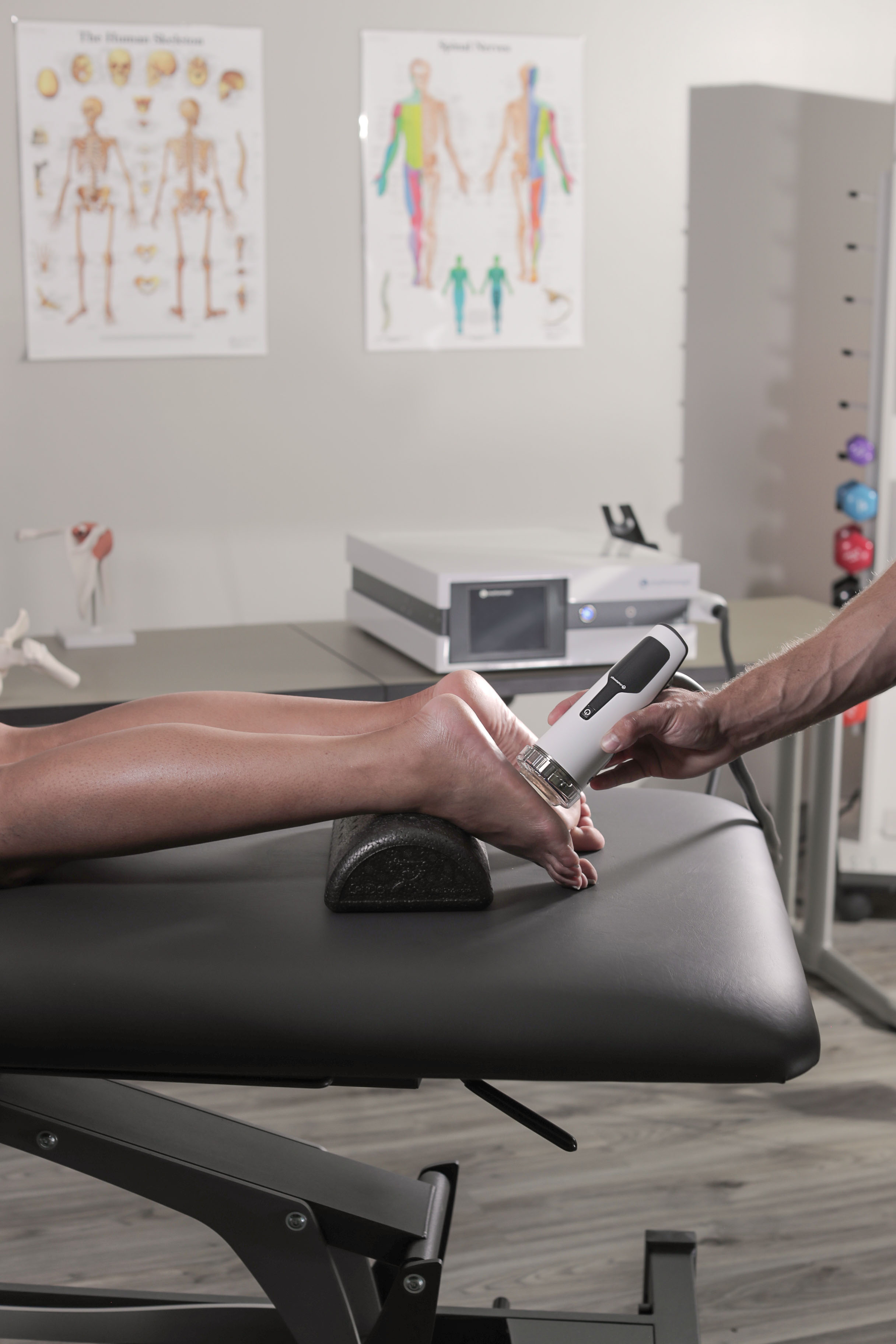
Focused shockwave therapy devices produce focused acoustic waves allowing energy to penetrate into deep tissue and at precise locations. Radial pressure wave therapy devices deliver acoustic waves at the skin surface which then travel radially into adjacent tissue so the energy is distributed over a broader area. It is commonly used to help treat more superficial soft tissue conditions including trigger points. Chattanooga offers both options to support clinician preference and patient needs.
Selection depends on clinical goals, patient presentation, practice setting, and device indications. Some clinics use both focused and radial systems as part of a comprehensive conservative care plan.
Yes. Many clinics incorporate both approaches when appropriate to their caseload and service mix.
Shockwave therapy devices are typically used as adjuncts within broader clinician-directed care programs that may include exercise, manual therapy, and other modalities.
The Intelect® Focus Shockwave is indicated for extracorporeal shockwave treatment of heel pain due to chronic proximal plantar fasciitis for patients aged 18 years and older with a history of failed alternative conservative therapies for at least six months.
Intelect® RPW 2 and Intelect® Mobile 2 RPW are intended to help reduce muscle pain and aches, temporarily increase blood flow, and activate connective tissue.
Both share the same intended use. The Mobile 2 RPW is designed for portability, making it a strong fit for athletic facilities, satellite clinics, and field environments.
Yes. The Intelect® Mobile 2 RPW provides a portable option for clinicians who need to deliver RPW in flexible care environments.
Yes. RPW is commonly incorporated within conservative care programs that may include movement, progressive loading, and other modalities.
Patients may experience mild to moderate discomfort, often described as tapping or pressure. Clinicians should adjust intensity and settings based on patient tolerance and clinical goals.
Sessions commonly range from approximately 5 to 10 minutes depending on the treatment area and protocol.
Protocols vary by condition, device, and clinician judgment. A typical treatment protocol is 3-6 sessions spaced 1 week apart.
When administered by trained clinicians and used according to the device instruction manual, shockwave therapy devices are considered safe. Clinicians should review contraindications and patient history prior to use.
Yes. Chattanooga® provides clinicians with training resources, such as lifetime access to virtual training materials, in-person staff training and installation, and other support for successful onboarding and integration, upon purchase of a Chattanooga shockwave therapy device. Only trained licensed medical professionals should operate these devices.
Common considerations include device type (focused vs radial), intended use/indication, workflow fit, ergonomics, transmitter options (for RPW), training resources, warranty coverage, and service support.
Clinics often consider ease of operation, protocol efficiency, ergonomic design, maintenance needs, and how well the system integrates into existing scheduling and documentation workflows.
Yes. Chattanooga provides education resources, local product support, and service pathways through its clinical and distribution network. Availability varies by region and purchasing channel.
Intelect® Focus Shockwave Intelect® Focus Shockwave is indicated for extracorporeal shock wave treatment of heel pain due to chronic proximal plantar fasciitis for patients aged 18 years and older with a history of failed alternative conservative therapies for at least six months. Chronic proximal plantar fasciitis is defined as traction degeneration of the plantar fascial band at the origin on the medial calcaneal tuberosity that has persisted for six months or more. Intelect® RPW 2 and Intelect® Mobile 2 RPW Intelect® RPW 2 and Mobile 2 RPW are intended to be used to help reduce muscle pain and aches, temporarily increase blood flow, and activate connective tissue.
¹ d'Agostino MC, Craig K, Tibalt E, Respizzi S. Shock wave as biological therapeutic tool: From mechanical stimulation to recovery and healing, through mechanotransduction. Int J Surg. 2015;24(Pt B):147-153. doi:10.1016/j.ijsu.2015.11.030
² Gollwitzer H, Saxena A, DiDomenico LA, et al. Clinically relevant effectiveness of focused extracorporeal shock wave therapy in the treatment of chronic plantar fasciitis: a randomized, controlled multicenter study. J Bone Joint Surg Am. 2015;97(9):701-708. doi:10.2106/JBJS.M.01331
³ Gerdesmeyer L, Frey C, Vester J, et al. Radial extracorporeal shock wave therapy is safe and effective in the treatment of chronic recalcitrant plantar fasciitis: results of a confirmatory randomized placebo-controlled multicenter study. Am J Sports Med. 2008;36(11):2100-2109. doi:10.1177/0363546508324176
⁴ Abdelkader NA, Helmy MNK, Fayaz NA, Saweeres ESB. Short- and Intermediate-Term Results of Extracorporeal Shockwave Therapy for Noninsertional Achilles Tendinopathy. Foot Ankle Int. 2021;42(6):788-797. doi:10.1177/1071100720982613
⁵ Murat S, Dogruoz Karatekin B, Zengin M. Clinical and Sonographic Evaluation of the Effectiveness of Extracorporeal Shock Wave Therapy in Patients with Lateral Epicondylitis. Medeni Med J. 2024;39(2):109-116. doi:10.4274/MMJ.galenos.2024.60308
⁶ Duymaz T, Sindel D. Comparison of Radial Extracorporeal Shock Wave Therapy and Traditional Physiotherapy in Rotator Cuff Calcific Tendinitis Treatment. Arch Rheumatol. 2019;34(3):281-287. Published 2019 Jan 28. doi:10.5606/ArchRheumatol.2019.7081
⁷ Kartaloglu IF, Kus AA. Evaluation of Radial Extracorporeal Shock Wave Therapy on Treatment-Resistant Trigger Points Using Sonographic Shear Wave Elastography. J Coll Physicians Surg Pak. 2023;33(10):1159-1164. doi:10.29271/jcpsp.2023.10.1159
⁸ Wess OJ. A neural model for chronic pain and pain relief by extracorporeal shock wave treatment. Urol Res. 2008;36(6):327-334. doi:10.1007/s00240-008-0156-2
⁹ Schmitz C, Császár NB, Milz S, et al. Efficacy and safety of extracorporeal shock wave therapy for orthopedic conditions: a systematic review on studies listed in the PEDro database. Br Med Bull. 2015;116(1):115-138. doi:10.1093/bmb/ldv047