

Total Items
0
0 Item(s)

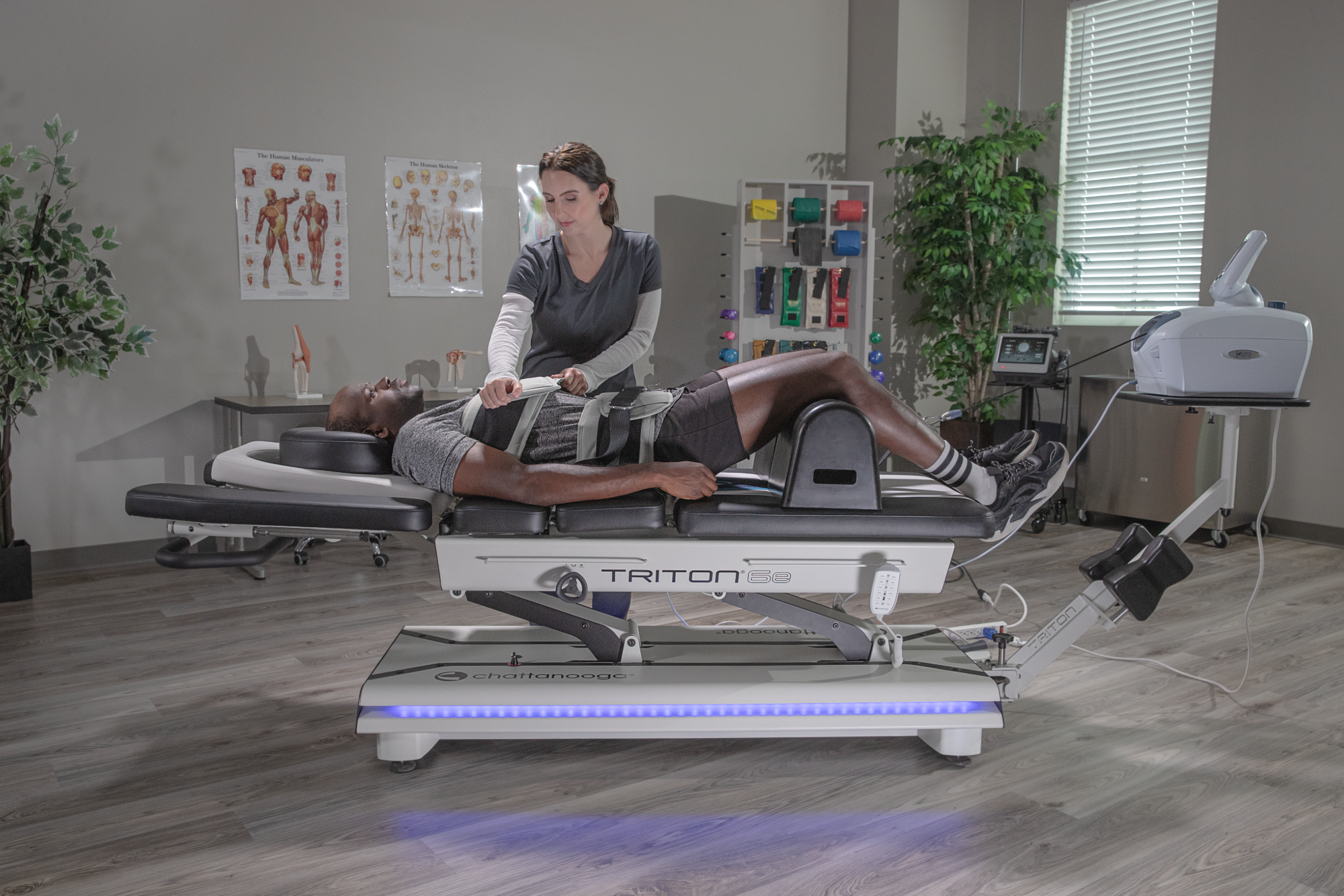
Chattanooga® traction systems like the Triton DTS® system are designed to deliver mechanical traction and mobilization of skeletal structures. Unlike simple static methods, the Triton DTS system can be programmed for static, intermittent, and cyclic traction therapy.
By applying controlled distraction forces to the cervical or lumbar spine, the system helps relieve pressure on structures causing pain, such as herniated discs and nerve roots. The programmable patterns allow clinicians to customize the treatment session to the patient's specific acuity and tolerance.

Traction therapy can address pain and tissue dysfunction associated with many common conditions, including:


Triton DTS® provides a versatile platform for delivering both cervical and lumbar protocols with precision and safety.

Traction therapy relieves pressure on spinal structures, reducing peripheral radiation and sciatica associated with bulging or herniated discs.

The system mobilizes skeletal muscles and structures, helping to provide pain relief and improve mobility.
With fully programmable pull patterns (static, intermittent, cyclic), clinicians can automate complex protocols, improving clinic workflow and patient throughput.

The Triton DTS® supports supine and prone positioning options to accommodate diverse pathologies and patient comfort levels.
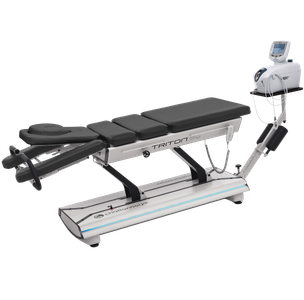
See how the Triton DTS® package fits into your practice with our webinar "Benefits of Using Mechanical Traction."
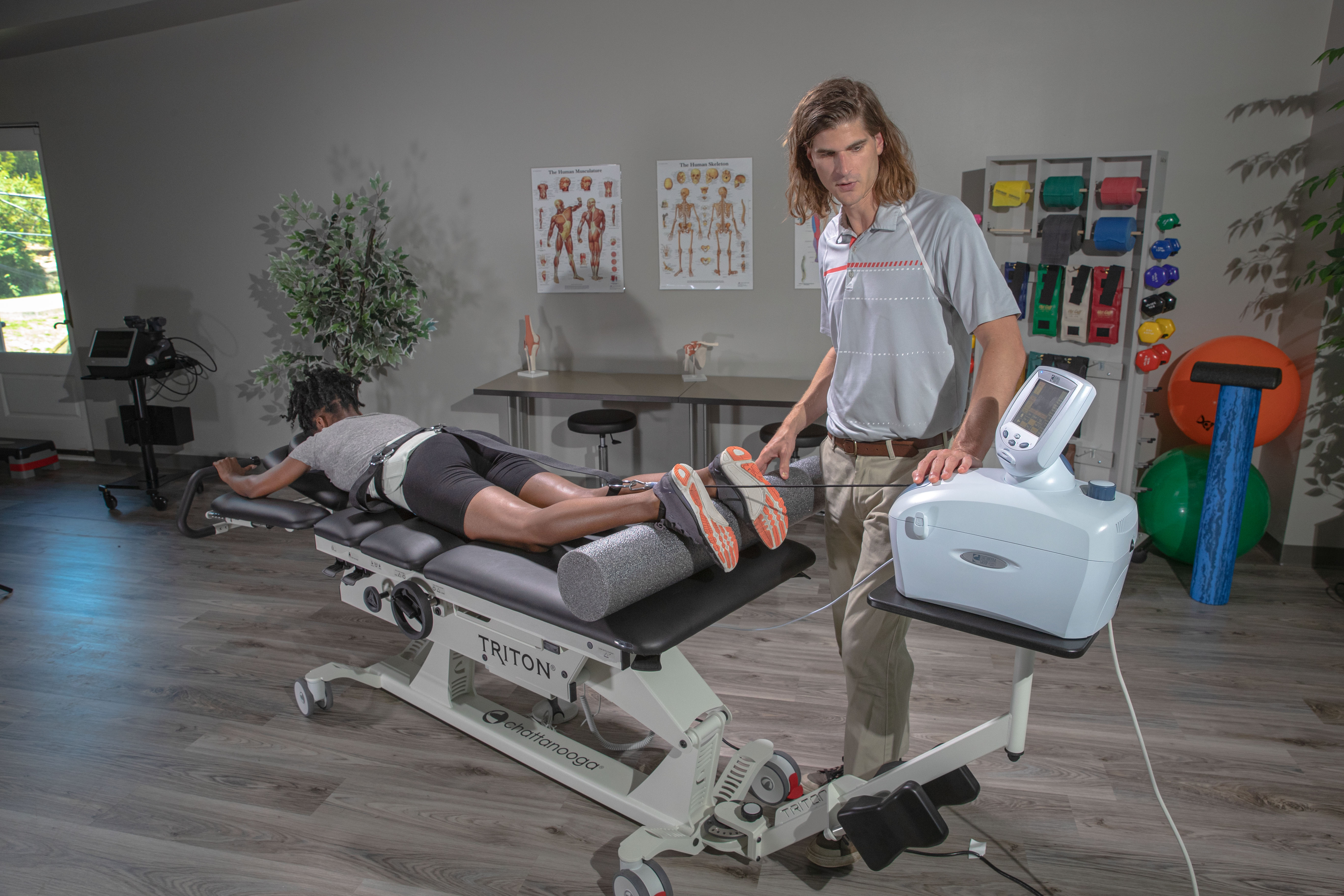
From physical therapy clinics to chiropractic offices, the Triton DTS® system is an excellent option for clinical mechanical traction.
The Triton DTS® package integrates the Triton control unit with a fully adjustable traction table, such as the Triton DTS 6E or Triton DTS 6M Traction Table. This combination ensures optimal patient positioning and friction-free force delivery.
Patient interrupt switches and audible signals ensure safety during spinal distraction sessions.
Triton DTS® traction tables, as a part of the complete Triton DTS package, allow clinicians the flexibility to use the table for manual therapy sessions as well as for automated decompression treatments. Triton DTS traction tables serve as a multi-functional asset for any rehabilitation clinic.

Traction therapy uses a specialized device to gently stretch the muscles and spine, which can relieve pain by reducing pressure on discs and nerve roots. It is an evidence-based treatment modality for treating patients suffering from back and neck pain and aiding overall spinal health.
Yes. Many chiropractors integrate traction therapy into chiropractic care. A chiropractor can assess the patient’s condition and vertebra alignment to determine if a patient is an appropriate candidate for traction for relieving back and neck pain.
Common types of traction include mechanical traction and manual traction. While an inversion table may offer temporary relief for home users, clinical settings can benefit from mechanical systems like the Triton DTS® system, which provide programmable patterns and pre-set protocols.
Studies demonstrate that traction therapy can reduce pain and disability in patients with low back pain and neck pain. Outcomes are often improved when traction therapy is combined with physical therapy.
Traction therapy is indicated for lower back pain due to herniated or bulging spinal discs, sciatica, degenerative disc disease, and spinal stenosis. Traction treatments aim to reduce pressure on the spinal discs and nerves and are often part of a broader spinal care plan for chronic pain.
Yes. Traction is not appropriate for patients with osteoporosis, fractures, cardiac issues, or spinal instability. Please consult the manual associated with your traction device for a full list of contraindications. Traction must be conducted only under the prescription and supervision of a trained healthcare professional.
No. The table does not generate force; it provides a stable, low-friction platform that supports effective delivery from a separate mechanical traction unit. Features like gliding sections and belt attachments enhance positioning and comfort. Chattanooga's Galaxy TTET300 uses roller-mounted surfaces to minimize resistance, allowing the unit to deliver precise spinal distraction.
Minimal friction is achieved through roller-mounted sections, independent movement, and smooth gliding surfaces, allowing force transfer from the unit with minimal resistance. This supports patient comfort during traction therapy. The Chattanooga Galaxy TTET300's roller system exemplifies this efficiency.
Yes, a versatile traction table with adjustable head, torso, and leg sections supports both cervical and lumbar applications. Modular accessories like harnesses enable quick switches. Chattanooga's Triton DTS® 6E and Triton DTS® 6M are designed for full-spine use when paired with a traction unit, making it ideal for diverse rehab needs.
Assess ergonomics, patient accessibility (e.g., wheelchair transfers), and ADA compliance. A high/low range of 18–38 inches suits most settings. Electric elevation, as in Chattanooga's Triton DTS® series, reduces strain and supports safe setups—request a quote to find the best fit.
Secure pelvic and thoracic belts with quick-wrap mechanisms are essential for stable fixation during decompression in clinical traction equipment. Chattanooga's adjustable belt systems minimize slippage, ensuring consistent force delivery from the traction unit.
Traction tables can aid busy clinics with electric adjustments for rapid height changes, durable frames, easy-clean surfaces, and intuitive controls. Casters add mobility. Chattanooga's Triton DTS® series streamlines patient transitions and automated traction cycles, enabling efficient care in high-volume environments.
Depending on the brand, traction tables for back pain treatment often include warranties on frames and motors. Opt for brands with reliable parts and service networks. Chattanooga® provides strong coverage, maintenance guidelines, and a track record of durability, supporting long-term use in rehab settings. For more information on warranty, service, and maintenance for Chattanooga traction tables, please refer to the user manual associated with your table of interest.
Expect a footprint of 8–10 feet long and 3–4 feet wide for a lumbar traction table, plus space for clinician access and the traction unit. Standard electrical outlets (110–220V) suffice. Chattanooga® models with casters, like the Triton DTS®, optimize placement in compact clinics for efficient care.
Verify weight capacity, secure sections before use, ensure stable transfers, and adhere to guidelines for a traction table. Only trained clinicians should operate. Chattanooga® tables include locking mechanisms and stable designs to support safe, non-invasive clinical mechanical traction. Consult the instructions for use for your Chattanooga table and traction unit for safety information and operation instructions.
Yes, options include financing plans and bundled packages for Chattanooga® traction tables. Chattanooga makes adoption accessible, helping clinics invest in advanced equipment for non-invasive spinal care without major upfront costs.